An industry beginning to discover its rhythm
Jodie Yettram visits Northern Leaf in St Lawrence and discovers how a business once on the edge of collapse is rallying as European demand for medicinal cannabis takes off.
The last time I wore a face mask, it was to pick up milk at the end of the pandemic. I did not think the next time I would be wearing one would be to visit a weed farm.
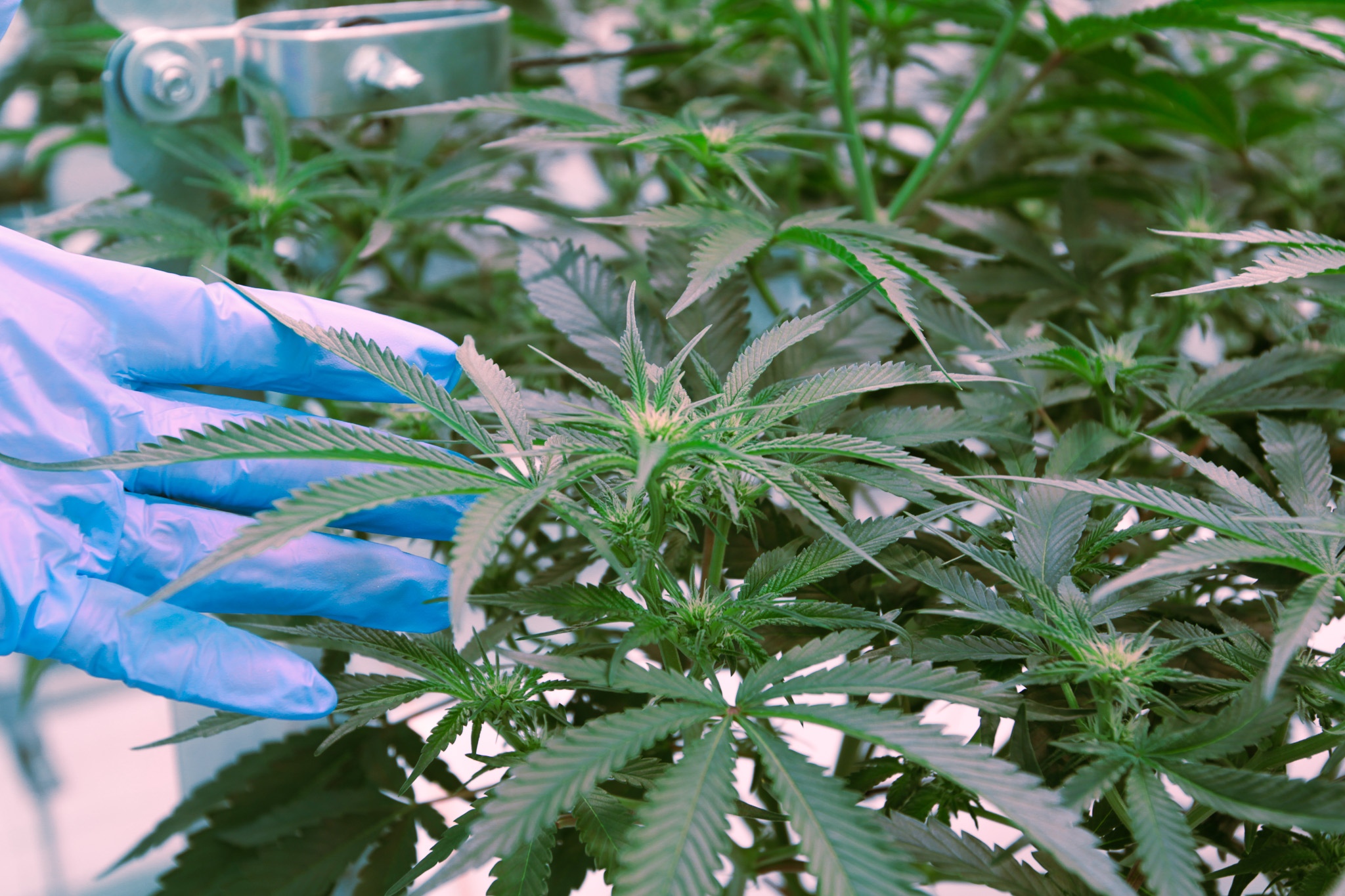
But there I was — masked up, gloves and boot covers on, hair net tight and zipped into a white lab coat like I was back in a school biology lesson — stepping inside the sprawling 100,000-square-foot greenhouse at Northern Leaf in St Lawrence.
Once on the brink of collapse, the company has tripled production in recent months and is now exporting tonnes of high-THC medical cannabis to Europe, mostly to Germany.
It is a sign that Jersey’s medicinal cannabis industry — once held back by over-zealous expectations and a lack of patients across Europe — is finally beginning to find its rhythm.
Now, the team behind Northern Leaf has opened its doors to the JEP to show what happens inside the Island’s largest cannabis facility — and where it hopes to go next.
Inside, the greenhouse feels like a cross between a pharmaceutical lab and a farm, which I suppose it is.
The air is thick and warm, the temperature carefully controlled, and each room operates under strict hygiene and security protocols. Doors are coded, a private security firm is on site, and photography is forbidden.
As I walk past rows of cannabis plants — grouped by strain and size — the smell ranges from sharp to earthy, sweet to citrusy.
Northern Leaf chief executive Steven Tan was my guide, and his pride in the place is obvious. He has been in the cannabis business for two decades and talks about the plants in the way a winemaker might talk about grapes.
Since joining the company last autumn, Mr Tan has led a restructuring effort to rescue Northern Leaf from financial collapse.
Less than a year ago, it was running at just 25% capacity. A planned merger with a Scottish CBD company had fallen through, and a stock-market listing in London failed to take off. At one point, the firm faced liquidation.
Today, the company is operating at 75% capacity, and Mr Tan says it is on track to hit record revenues next year.
“We’ve got about 20,000 plants at different stages,” Mr Tan explained as we walked through one of the four flowering bays.
“The greenhouse is a Ferrari: you do need to know how to drive it. It is a bit finicky, but once you drive it well, it’s a real race car.”
Each cannabis plant here is a clone, taken from genetically proven “mother” plants with reliable cannabinoid content.
They begin life in a nursery under soft light for about two weeks. Once they are about two feet tall, they are transferred into one of the main flowering rooms — each home to around 5,000 plants — where the light cycle is flipped to mimic autumn and trigger flowering.
On the day I visited, the grow lights were off. When natural sunlight is strong enough, Mr Tan said, it not only saves energy but actually improves the quality of the plants.
“Cannabis grown under only artificial light is like a cow raised in a battery farm,” he said.
After flowering, the plants are harvested, dried and trimmed. In one room, eight or so workers sat quietly separating buds from stems and packing the finished flower into silver-lined export bags.
The full cycle, from clone to packaged product, takes about five months.
Each batch is sampled and tested in pharmaceutical laboratories overseas. Only once it meets strict international standards is it cleared for export.
Mr Tan credits the company’s turnaround not only to European demand, but also to regulatory engagement in Jersey and the “resilience and understanding” of staff, creditors and neighbours.
After Northern Leaf faced complaints last year of “unbearable noise” and “disgusting smells” emanating from the premises, the company spent tens of thousands of pounds installing air-cleaning systems and has worked to “continuously engage” with residents to address concerns, Mr Tan said.
Looking ahead, the company is expanding into non-psychoactive strains for medicinal use and investing in new technology.
Mr Tan knows not everyone in Jersey supports the industry — but says that is not the point.
“You don’t have to be pro-cannabis to appreciate the export value,” he said. “A lot of people don’t drink alcohol, right? It doesn’t mean you don’t want an alcohol industry.”
As the tour ended, I stepped out into the afternoon sun and peeled off the gloves, mask and disposable boot covers. As I made my way back to the office, I readied myself for questioning looks as a very distinctive smell clung to my jacket.
But also lingering was the feeling that Jersey’s most controversial crop could, after years of early excitement and growing pains, finally become a serious part of the Island’s economy.
Source: Jersey Evening Post (28 May 2025)